

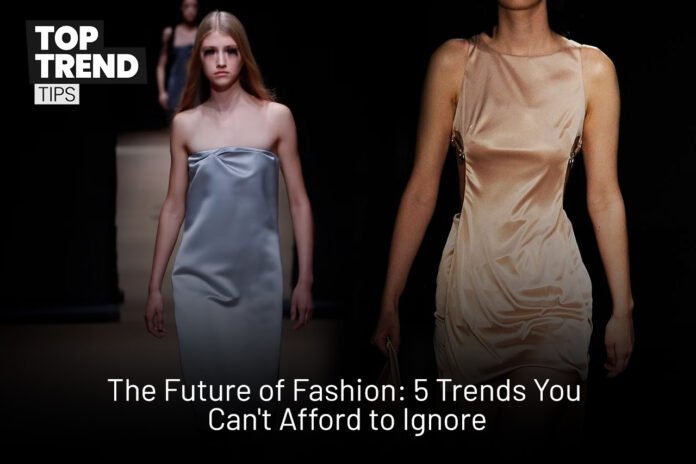
The Future of Fashion: 5 Trends You Can’t Afford to Ignore
Fashion is an everliving and constantly changing branch of people that mirrors the public, tech innovations, and cultural evolutions. Following fashion trends is not only about looking fashionable, but it is also being in harmony with the surroundings. This article will present five important trends that are shaping fashion in the future which you cannot overlook.
Sustainable and Ethical Fashion
Now the fashion industry is all about sustainability and zoonotic phenomena. Consumers become more aware of environmental and social implications of their purchases, which in turn, influences them to demand for more ethical and responsible practices.
The Rise of Eco-Friendly Materials
Organic Cotton, Hemp, and Bamboo
The consumption of organic cotton, hemp, and bamboo has overwhelmingly shifted to sustainable fabric. The only emitting of lighter colored gas are the production which uses only low chemicals and water.
Recycled Fabrics
The case of recycled fabrics, like those made of polyester from used plastic bottles, is on the rise. Through limiting pollution and preserving natural resources, they are in alignment with the circular economy principles.
Ethical Manufacturing Practices
Fair Trade and Fair Wages
Paying attention to ethical manufacturing practices means that the people who make the products are properly paid and work in safe conditions. Brands that put up the front for the people they serve when it comes to fair trade and fair wages have better consumer trust and loyalty.
Transparent Supply Chains
Transparency in the supply chain means that the consumer is in control and knows exactly where and how their clothes are made. This novelty paves the way for physical laws to work. The more vouched your involvement the more reliable the information.
The Circular Fashion Economy
Renting and Leasing Clothing
Renting and leasing clothing is a clear-to-follow emerging pattern that makes a circular economy possible. With it, the consumers will experience diversity in their styles without the environmental influence of fast fashion.
Second-Hand and Vintage Fashion
The second-hand and vintage fashion are not eco-friendly only but carry a character of their own. The thrift stores or the internet are the two main avenues, through which, it seems, it is quite easy to get hold of pre-loved gems.
Technology and Fashion
The impact of technology on the fashion industry is disruptive, giving new possibilities in clothing creation, shopping, and experiencing fashion.
Wearable Technology
Smart Fabrics
Smart fabrics can change their color, adjust the temperature, and even measure health. Merging fashion and functionality is the thing now.
Health and Fitness Trackers
Wearable technology such as fitness trackers and smart watches are becoming fashionable themselves, not only sticking to their functions but also combining style with technology.
Virtual and Augmented Reality
Virtual Fashion Shows
Virtual designers not only lead the course for an eco-friendly fashion industry but also give fashion customers from all over the world a new fashionable opportunity.
Virtual Fitting Rooms
Virtual fitting rooms enabled with the augmented reality technology allow the customers to try the clothes in a virtual way and thus provide a better shopping experience.
3D Printing in Fashion
Customizable Clothing
3D printing enables the creation of clothing to be customized in accordance with both the exact body measurements of the individual and the particular style they prefer.
On-Demand Production
On-demand production minimizes surplus and guarantees that products are manufactured only when there is a need, thus, it is in line with sustainable practices.
Inclusivity and Diversity
Inclusivity and diversity are no longer just buzzwords in fashion; they are essential elements of a forward-thinking industry.
Size-Inclusive Fashion
Plus-Size Clothing
Plus-size apparel is becoming more trendy as well as available in the market in accordance with body positivity and inclusivity.
Adaptive Fashion
Adaptive fashion serves the needs of people with disabilities by providing trendy and functional garments which meet their requirements.
Gender-Neutral Fashion
Unisex Clothing Lines
Unisex lines are the ones that are getting rid of the conception of gender as a dividing factor and offering a multifunctional fashion line that is applicable to all human beings.
Breaking Gender Norms
The fashion is no longer a question of male and female but is a way of being and a tool of self-expression and individuality.
Cultural Representation
Multi-Cultural and Intercultural Dynamics in Fashion.
Fashion is opening its heart to the richness of ethnic diversity, thus, honoring its origin and combining the elements of different cultural backgrounds.
Collaborations with Minority Designers
Partners from minority backgrounds are the ones who infuse fresh ideas and add distinctive styles to the fashion landscape.
Personalization and Customization
Consumers are coming out with their very own unique formation & expression or taste as a result of the top tendencies concerning personalization and customization.
Made-to-Measure Services
Tailor-Made Clothing
Besides providing perfect fitting clothing tailored to the person, they also offer a shopping experience that is personalized, catering to individual body types.
Custom Fit Technology
Custom fit technology directly takes measurements of the human body by advanced algorithms and then crafts the resulting piece which is cut out using specialized cutting machines.
DIY Fashion
Upcycling Old Clothes
Upcycling old clothes is a unique and eco-friendly way of breathing new life into your wardrobe as it transforms the out-of-date clothes into new fashionable pieces.
Personal Styling Apps
Personal styling apps give you tailored fashion advice, so you can have different styles that match your preference and body type.
The Influence of Social Media
Social media is a significant player in the fashion industry, driving trends and determining consumers’ preferences.
The Role of Influencers
Trendsetting and Brand Partnerships
Influencers who set the trends are the ones who collaborate with brands to sell the newest fashions that attract the buyers and therefore the sales.
Real-Time Fashion Shows
Social media platforms are the places where the real-time fashion shows take place and high-fashion events near the world can be made accessible for the everyone.
Social Commerce
Shopping via Social Platforms
Social commerce is a way that turns social media into stores and allows customers to buy products straight from the content posted on the platform.
User-Generated Content
Content made by users not just shows images of models but also everyday people who wear and style the clothing items, which provides a relatable and authentic marketing technique.
The Power of Virility
Fashion Challenges and Hashtags
Fashion challenges and hashtags can quickly go viral, spreading trends and engaging a wide audience.
Memes and Fashion Trends
Memes often influence fashion trends, blending humor with style and making fashion more accessible and fun.
Conclusion
Fashion is eco-friendly, technologically progressive, inclusive, personalized, and boosted by social media today. You will always be on the cutting edge of fashion and your clothes will be always in vogue by following these trends. A new dawn for the fashion industry full of excitement, change, and opportunities is here.
FAQs
- What is sustainable fashion, and why is it important?
- How is technology influencing the fashion industry?
- What does inclusivity in fashion mean?
- How can I personalize my wardrobe?
- How does social media impact fashion trends?